Water Systems Hygiene - Early Detection - Hygiene Compliance
Online Biofilm Monitoring for Water Systems and Industrial Hygiene
Early detection for water hygiene and biofilm control.
Early detection for water hygiene and biofilm control.
Why It Matters
Undetected biofilm drives contamination risk, corrosion, inefficiency and compliance problems. Early detection matters.
What Is Biofilm?
Biofilm is a living bacterial layer that becomes harder to remove as it matures. Early detection is the key control point.
Our Service
Biofilm sensing, monitoring and compliance records.
Certified in-line sensing for early biofilm formation in pipes, tanks and cooling infrastructure.
A live monitoring view combining biofilm data, process context and cleaning history.
Trend analysis to support better-timed cleaning and intervention.
Structured evidence for audits, hygiene control and operational reporting.

The problem
Biofilm causes corrosion, fouling, energy loss and downtime. Early detection reduces cleaning cost and process risk.
Sensor Types
Our sensors monitor the bio-electrochemical signal produced by bacteria. This signal is directly linked to the biological activity of bacteria, and it is proportional to the surface area covered by biofilm. Therefore, the system monitors just living bacteria, not other kinds of fouling (e.g. mineral deposit, fats, proteins, etc.).
A Biofilm Monitoring System includes one or more sensors, connected to a data acquisition system (PLC, DCS, PC, etc.) through the standard communication protocols like RS485 MODBUS and 4-20 mA.
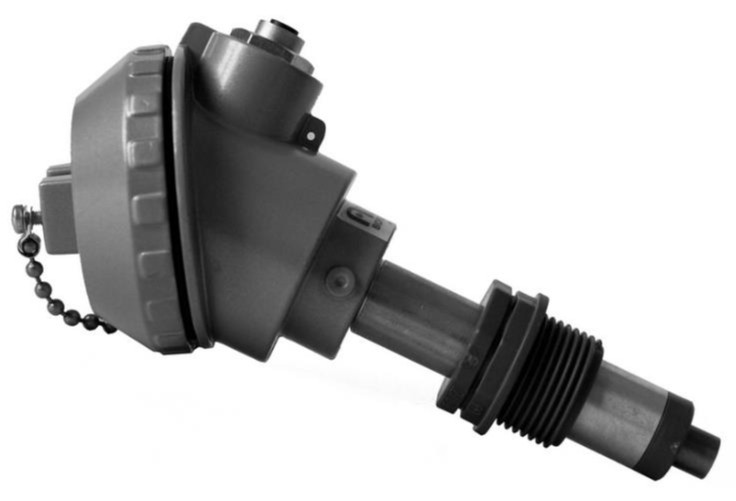
Probe for corrosive environments with moderate heat and chemical exposure.
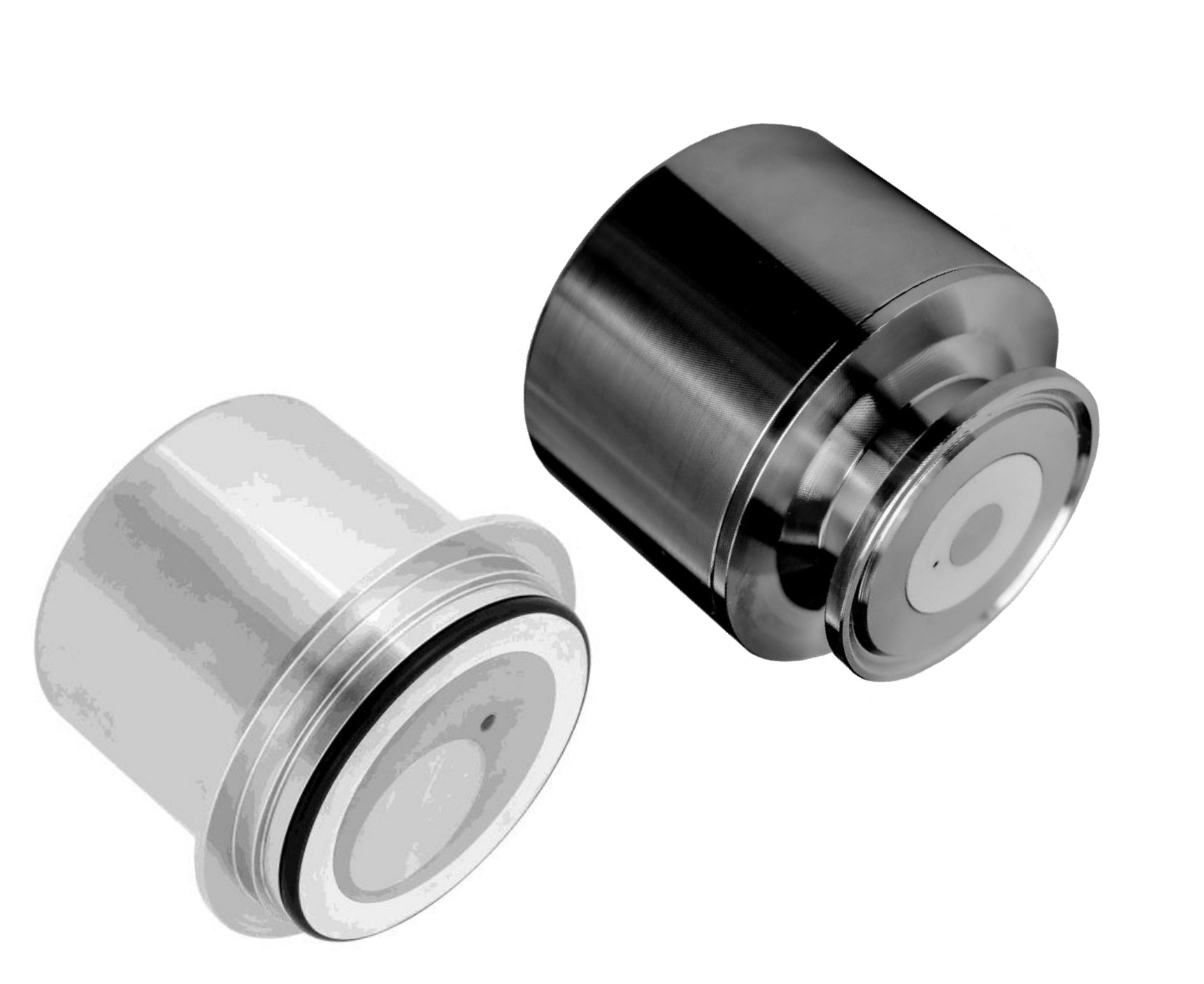
Hygienic-process sensors for applications where cleaning and chemical resistance matter.
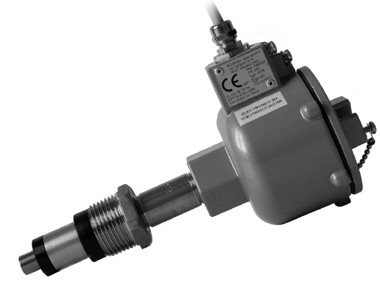
ATEX-certified sensor for classified areas.
Where It Pays Off
Best fit for hygiene-critical and water-intensive environments where biofilm affects safety, compliance or uptime.
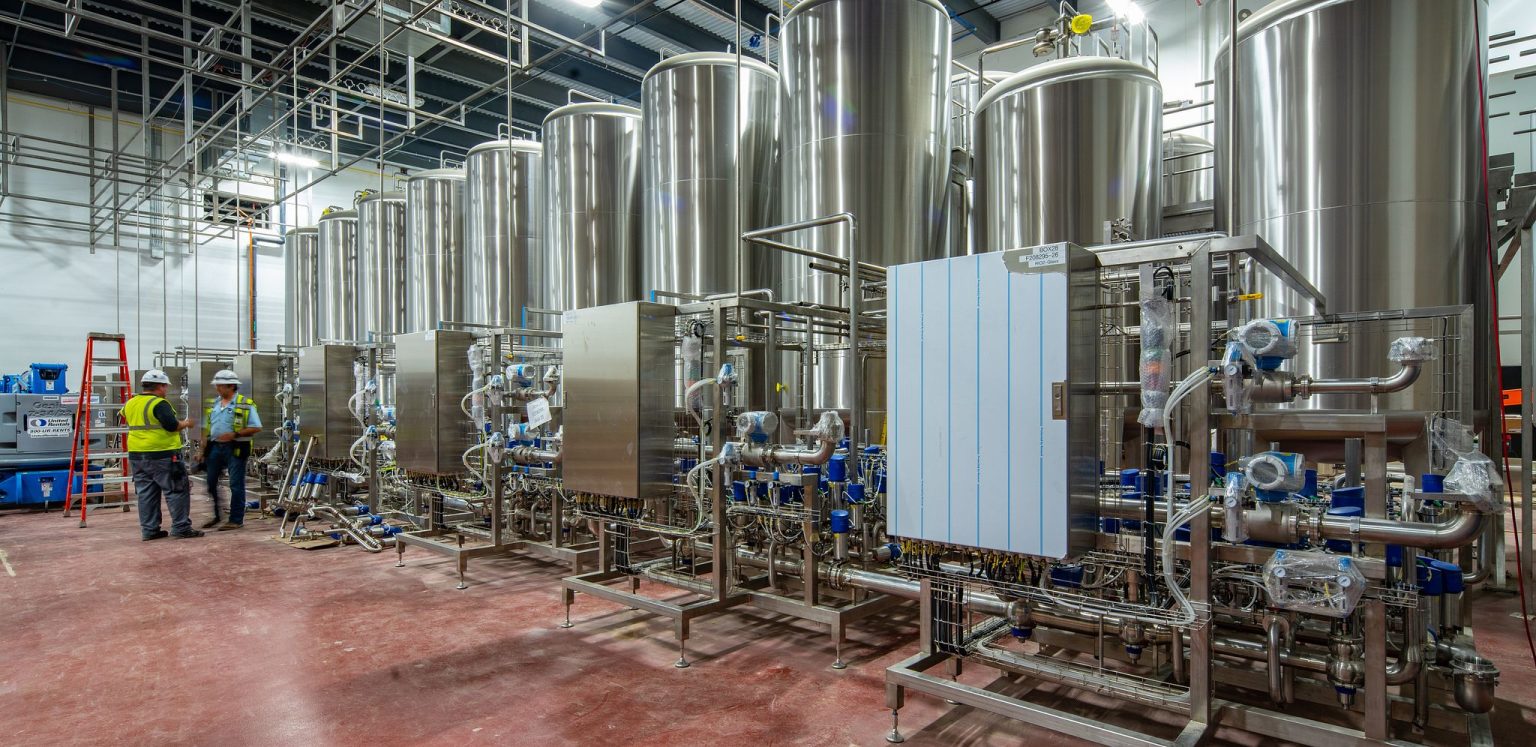
Biofilm in process water or CIP lines risks microbial contamination and product recalls. Monitoring provides real-time assurance and hygiene traceability.
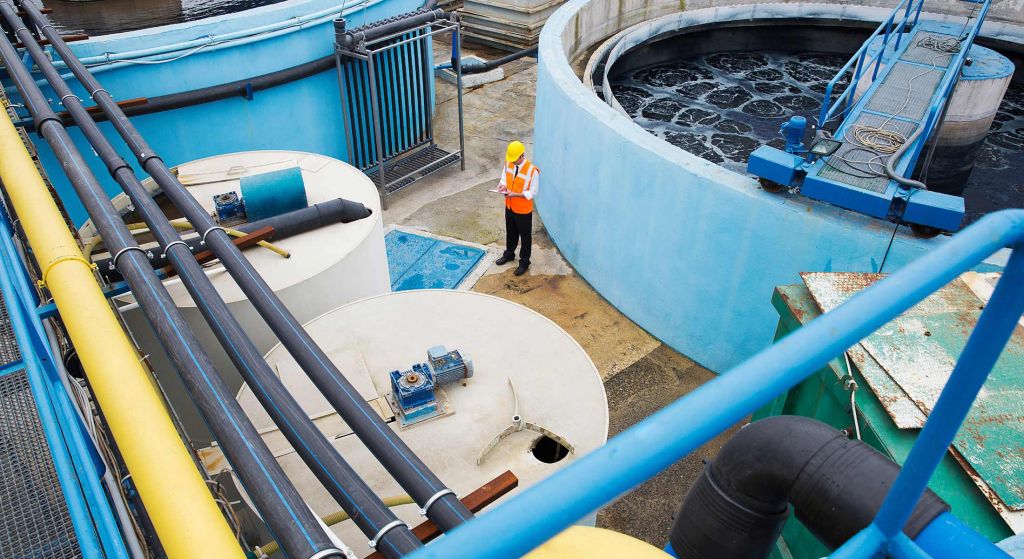
Low-flow zones in networks become hotspots for undetected bacterial growth. Biofilm sensors help optimize flushing and support Utilities & Infrastructure operators facing strict hygiene obligations.
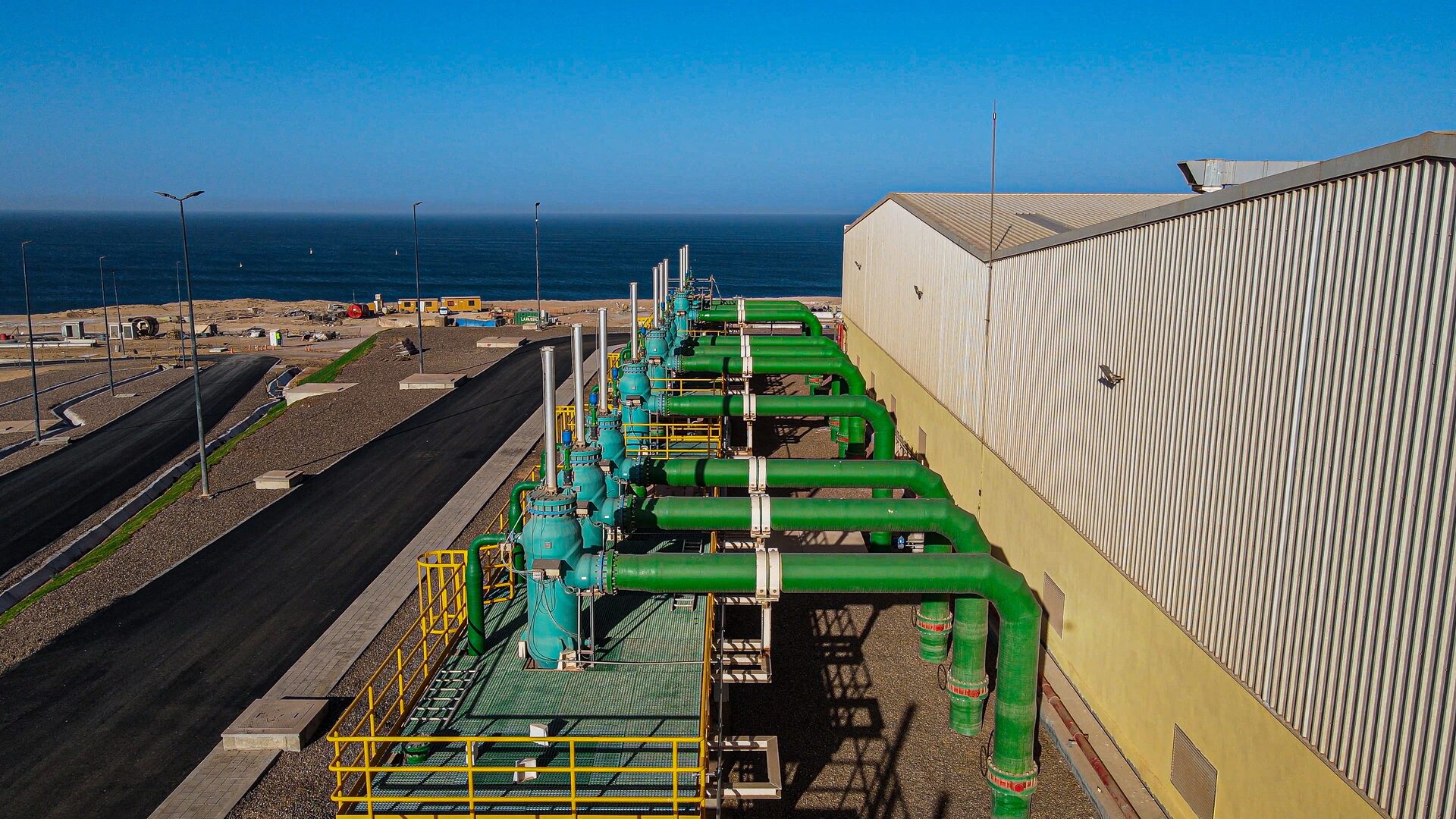
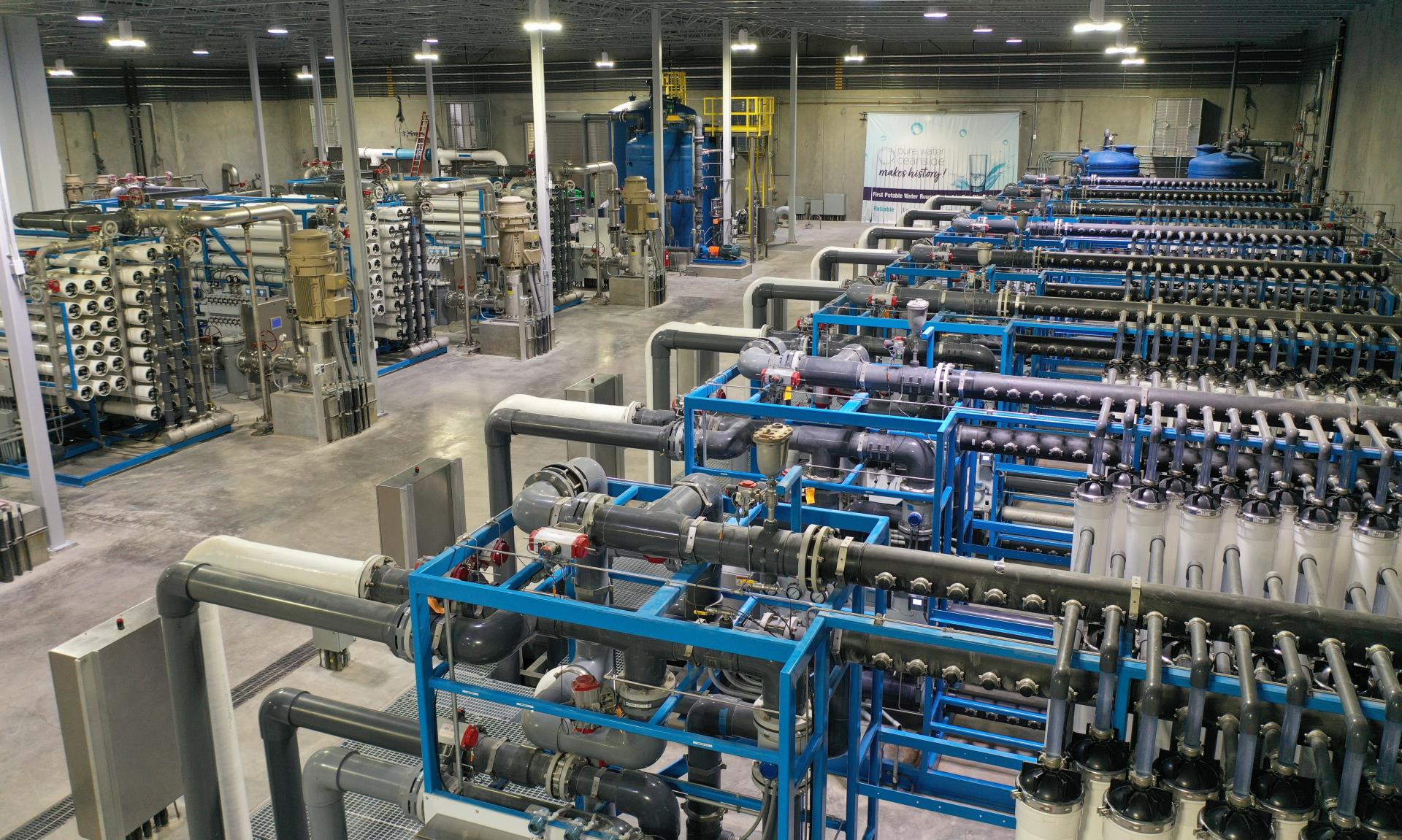
Biofilm clogs membranes, raises pressure, and increases chemical load. Early detection keeps OPEX low and system availability high.
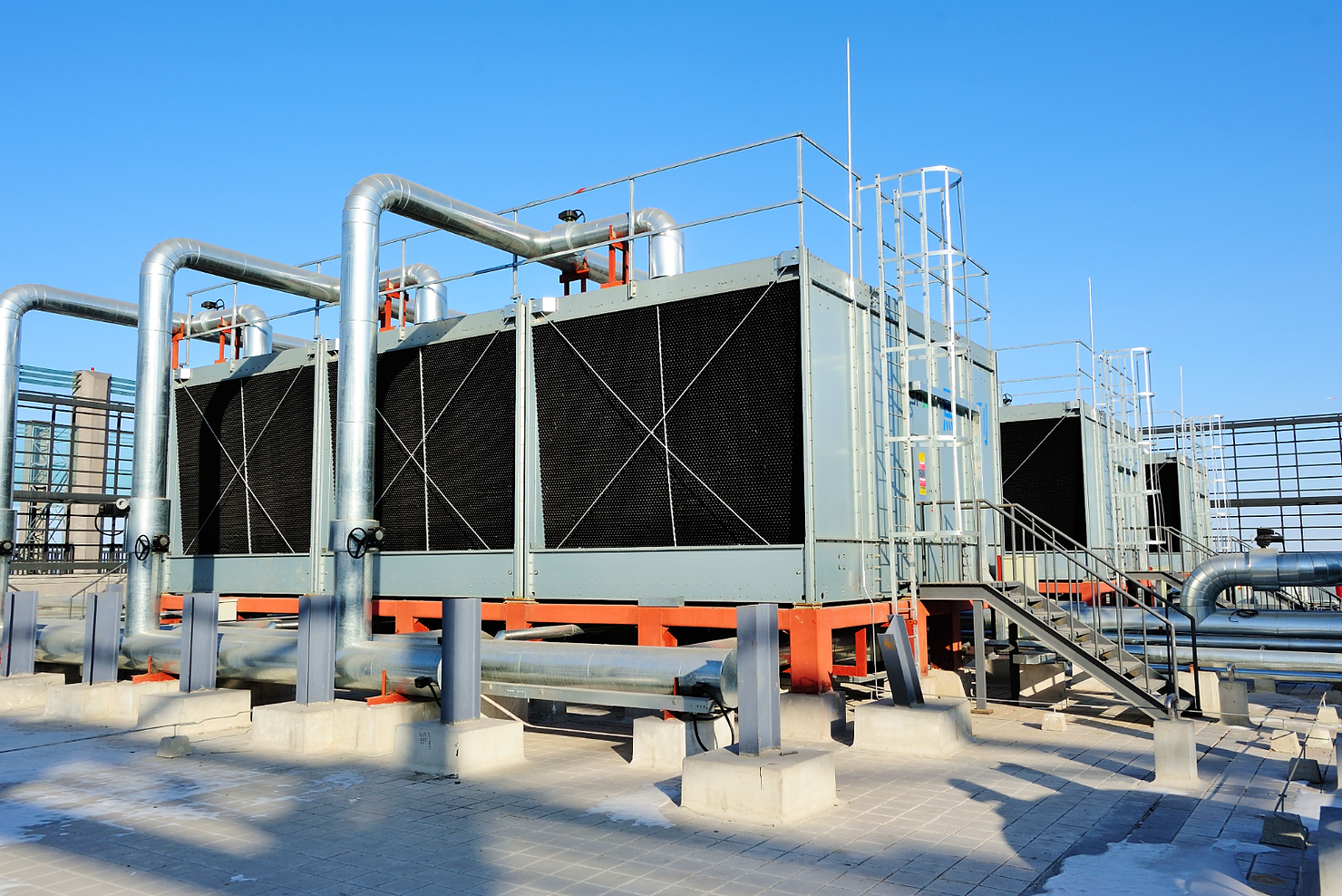
Biofilm contributes to Legionella risk, scaling, and corrosion in towers and heat exchangers. Our monitoring gives evidence - not assumptions.
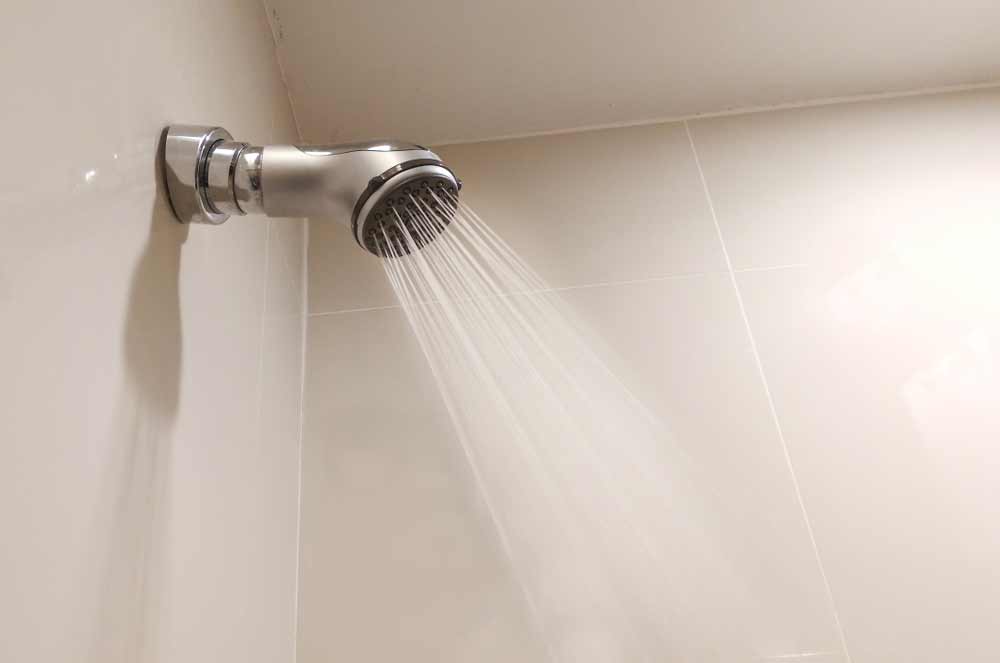
Legally exposed sites must demonstrate water hygiene. Biofilm monitoring gives proof of preventive action before contamination happens.
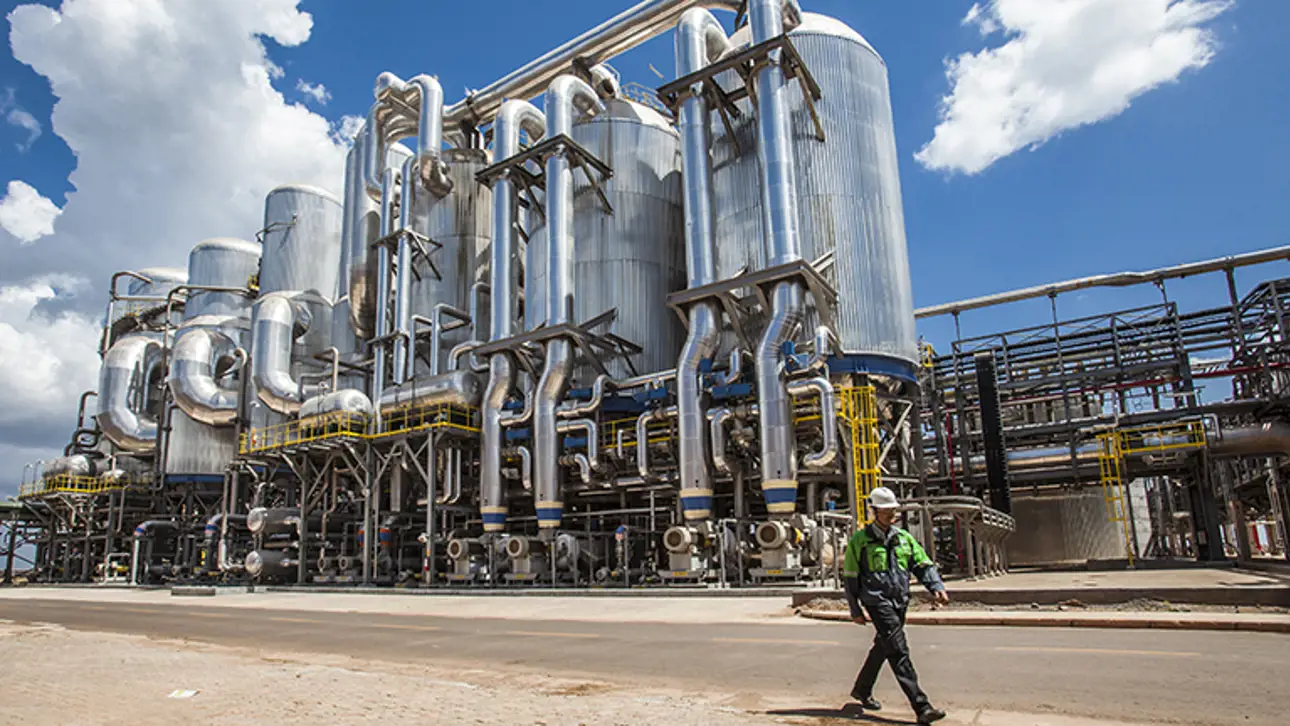
Warm, humid, water-rich processes create perfect biofilm breeding grounds. Monitoring helps avoid downtime from fouling and bacterial loads.
FAQ
Online biofilm monitoring uses in-line sensors to detect early bacterial growth on surfaces inside water systems and industrial process lines, allowing operators to act before mature biofilm causes hygiene, corrosion or efficiency problems.
Biofilm sensors are typically installed in representative risk points such as drinking water distribution lines, cooling circuits, process water loops, membrane systems and other areas where bacterial growth, stagnation or fouling can develop.
Yes. Biofilm monitoring supports Legionella prevention by identifying bacterial growth conditions early, improving hygiene control and helping operators take evidence-based cleaning and disinfection actions before contamination escalates.
Biofilm monitoring is valuable in water utilities, cooling towers, desalination plants, food and beverage production, public buildings, healthcare environments and other industrial systems where water hygiene and fouling control are critical.
Yes. EGIDION integrates biofilm sensors with PLC, SCADA and cloud-based monitoring platforms to provide real-time visibility, alarms, trend analysis and reporting for operations and compliance teams.